12 Brilliant Ideas to Fix Your Awkward Living Room Layout
Awkward living room layout ideas don’t have to feel like a design death sentence. You know that feeling when your couch just won’t fit right, or your TV seems to be in a perpetual staring contest with your fireplace? Yeah, we’ve all been there.
Here’s the thing: awkward spaces aren’t design failures — they’re just puzzles waiting for the right solution.
According to interior designers, nearly 70% of homeowners struggle with at least one “problem area” in their living room.
The good news? With a few strategic tweaks and creative furniture placement, even the trickiest layout can become your favorite room in the house. Let’s turn that oddly-shaped space into something Pinterest-worthy.
Design Insight: The Art of Visual Balance
Before we jump into solutions, here’s a golden rule: every awkward living room needs a focal point. Whether it’s a statement piece of furniture, a gorgeous window, or even an accent wall, giving your eye somewhere to land creates instant harmony.
They say home is where the heart is — but good furniture arrangement helps too! Think of your room like a conversation: you want flow, balance, and a few interesting angles. Once you establish your anchor point, everything else falls into place like a well-styled shelfie.
Fair warning: These layout ideas may cause an uncontrollable urge to move your furniture around at 11 PM on a Tuesday night.
How can I make a small awkward living room feel bigger?
Answer: Use mirrors to reflect light, choose multi-functional furniture, and embrace vertical storage. Lighter colors and wall-mounted elements also create the illusion of more space.
Float Your Furniture Away from the Walls
Here’s a secret most people miss: pushing everything against the walls actually makes a room feel smaller and more disconnected. Instead, pull your sofa a few feet away from the wall to create a cozy conversation area. Add a console table behind it for extra function and visual interest. This trick works wonders for long, narrow living rooms where traffic flow feels awkward.
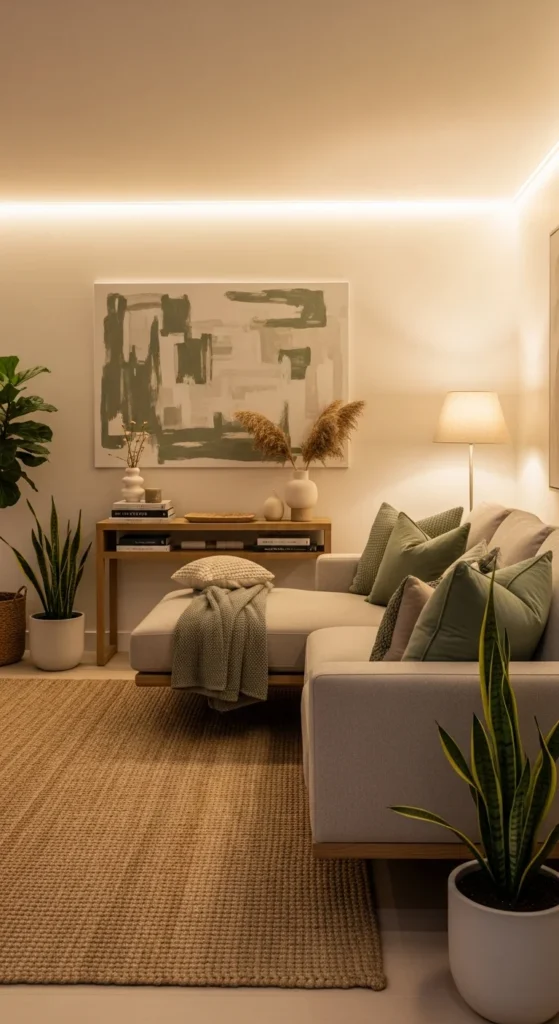
Styling Tip: Anchor your floating furniture with a large area rug that extends at least 6 inches beyond the sofa on each side. This defines the space and makes everything feel intentional, not random.
Pro Tip: A slim console table behind your sofa (available on Amazon in tons of finishes) gives you extra surface space for lamps, plants, or that coffee you’ll definitely forget about.
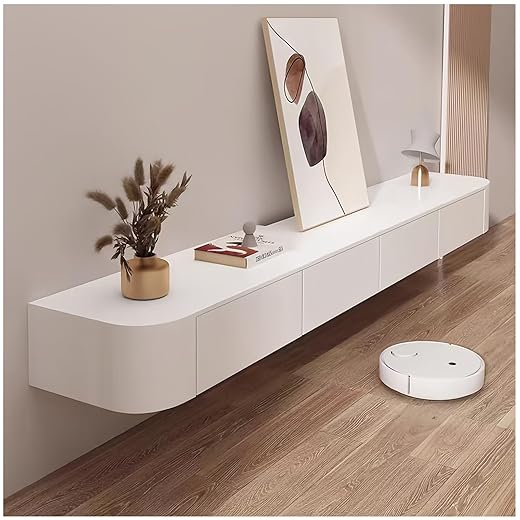
Create Zones with Area Rugs
Got an L-shaped living room or an open concept nightmare? Area rugs are your best friend. Use different rugs to visually separate your living room into distinct zones — one for lounging, one for reading, maybe one for that yoga you keep promising yourself you’ll do. The key is choosing rugs that complement each other without being matchy-matchy.
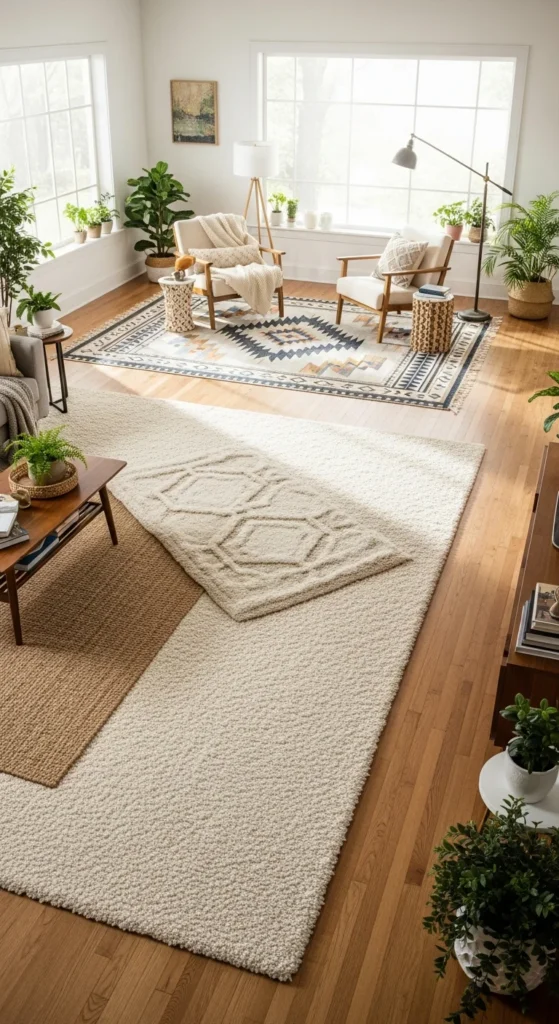
Styling Tip: Layer a smaller patterned rug over a larger neutral one for added depth and texture. It’s an Instagram-worthy trick that also hides the fact that you spilled wine last Tuesday.
Embrace the Corner with a Sectional
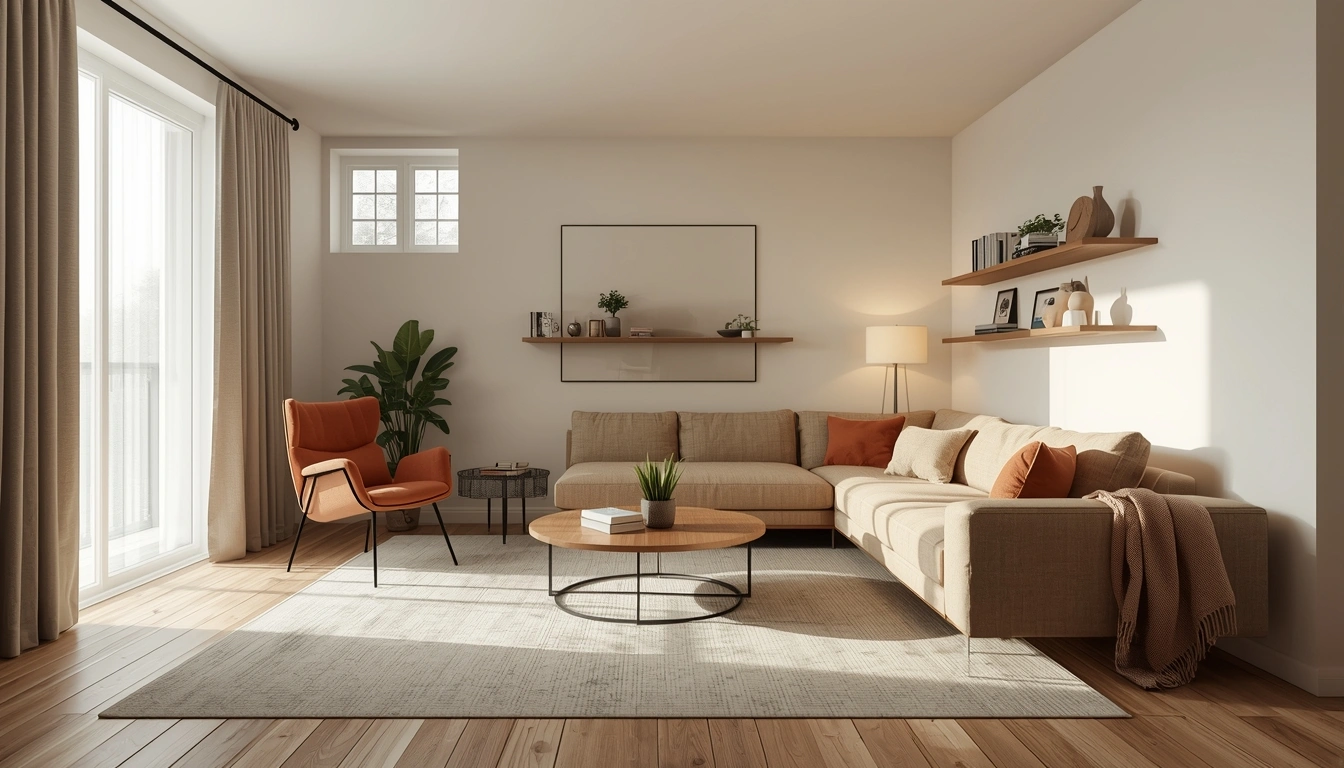
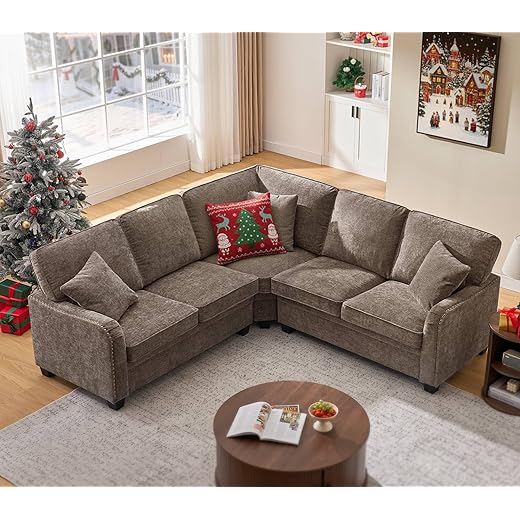
Corners are the awkward middle schoolers of room design — often ignored and under-appreciated. A well-placed sectional sofa can turn that dead corner into the coziest spot in your house. L-shaped sectionals are perfect for odd-shaped living rooms because they maximize seating without blocking pathways. If you’re working with limited square footage, our guide to small-apartment-living-room-ideas offers brilliant space-saving strategies that complement sectional arrangements perfectly.
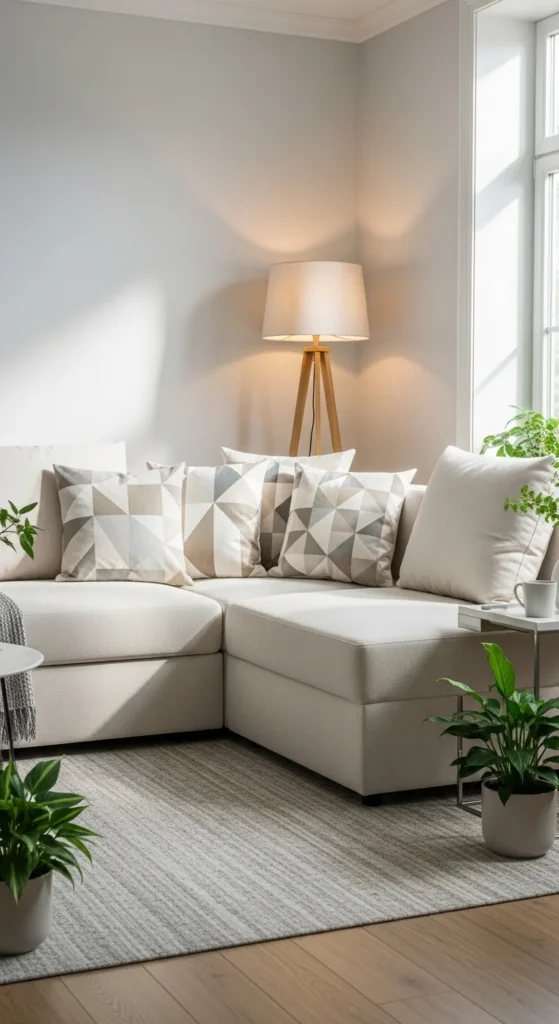
Styling Tip: Add a floor lamp in the corner behind the sectional to create a reading nook vibe. Throw in some oversized cushions, and suddenly everyone’s fighting over that spot.
If you’re working with limited square footage, our guide to small apartment living room ideas offers brilliant space-saving strategies that complement sectional arrangements perfectly.

Position Your TV Off-Center (Yes, Really)
I know this sounds like design blasphemy, but hear me out. If your living room has an off-center fireplace or awkward window placement, trying to center your TV on the wall creates more visual chaos. Instead, embrace asymmetry. Mount your TV where it makes functional sense, then balance the wall with artwork, floating shelves, or a gallery wall on the other side.
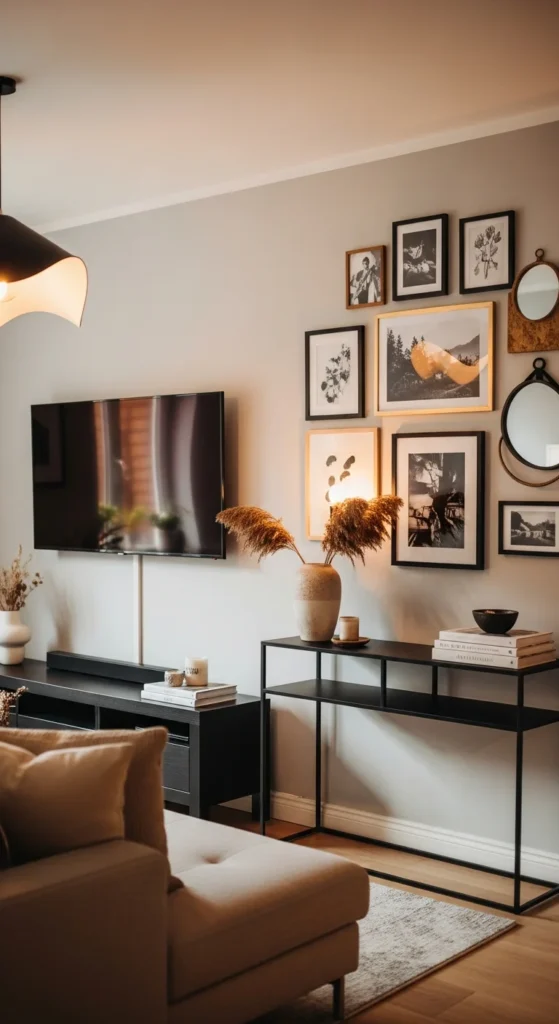
Styling Tip: Use a swivel TV mount so you can adjust the viewing angle from different seating areas. Function meets flexibility, and your neck will thank you.
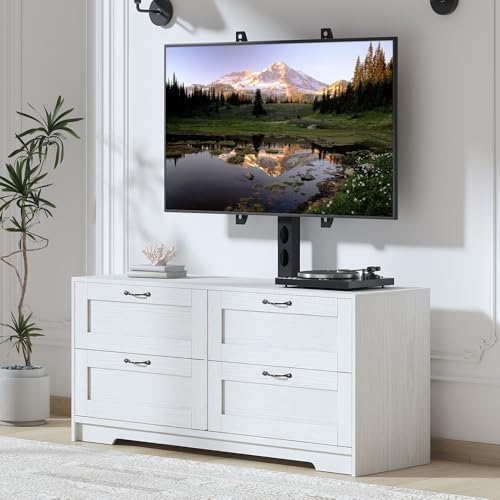

Use Multi-Functional Furniture
When you’re dealing with limited wall space or multiple doorways, every piece of furniture needs to earn its keep. Think storage ottomans that double as coffee tables, nesting tables that tuck away when not needed, or a sleeper sofa for guests. Multi-functional pieces reduce clutter and maximize your awkward space without sacrificing style.
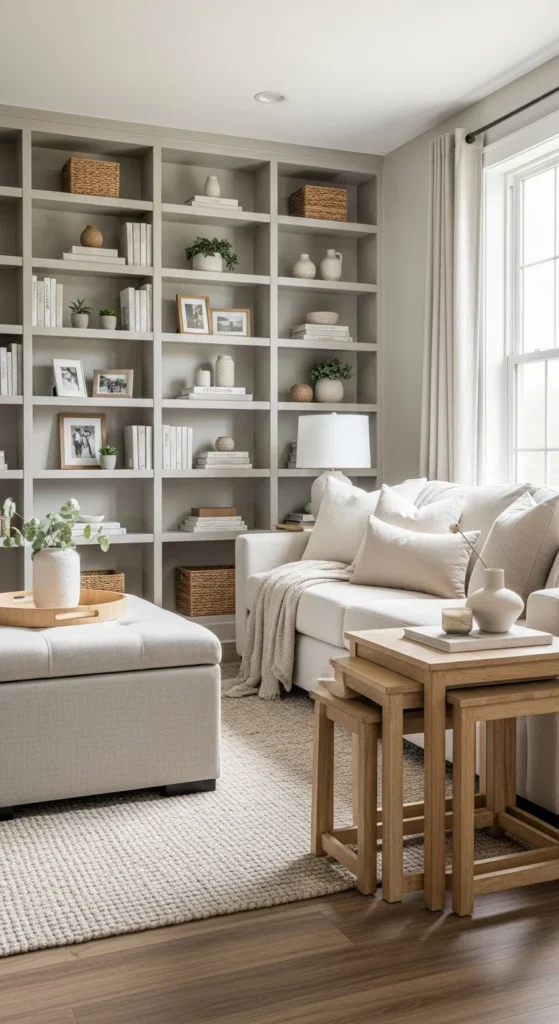
Styling Tip: Choose furniture with hidden storage in materials like woven rattan or linen — they look chic while hiding your remote controls, magazines, and random charger cables.
Pro Tip: Storage ottomans from retailers like Wayfair or Amazon come in countless styles, from tufted velvet to minimalist leather, making it easy to match your existing décor.

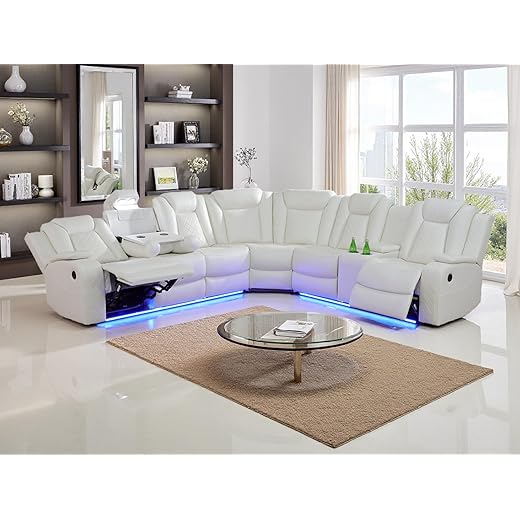

Angle Your Furniture for Better Flow
Who says everything has to be parallel to the walls? Angling furniture — especially in a narrow living room arrangement — creates visual interest and improves traffic flow. Try positioning your sofa at a 45-degree angle or placing accent chairs diagonally to open up pathways and make the space feel less boxy.
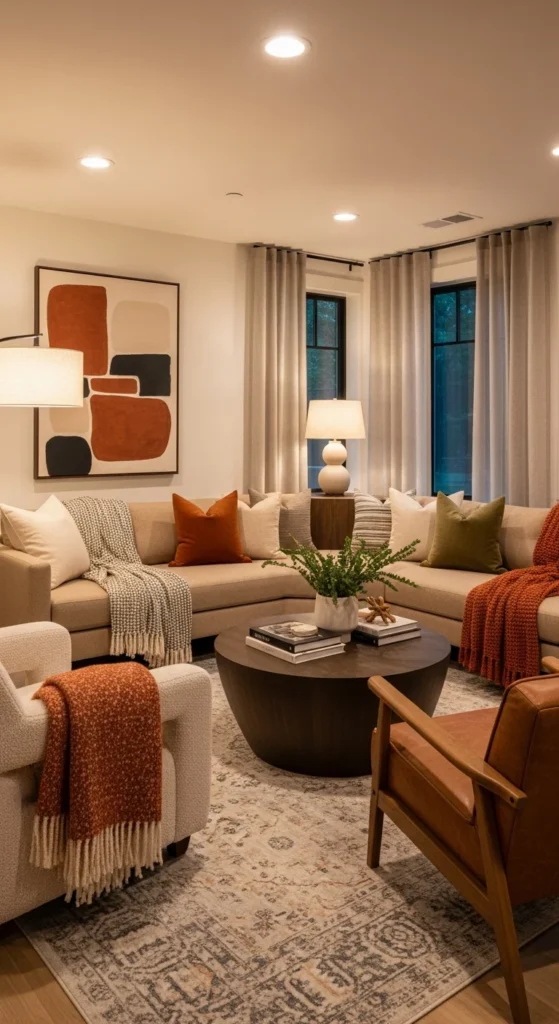
Styling Tip: When you angle furniture, make sure there’s still at least 24-30 inches of walking space around each piece. You want cozy, not a furniture obstacle course.
Define Space with a Statement Bookshelf
Open shelving units or tall bookcases can act as room dividers in open concept living rooms, creating the illusion of separate spaces without blocking light. Position a bookshelf perpendicular to the wall to section off a reading nook or home office area while maintaining visual connection throughout the room.
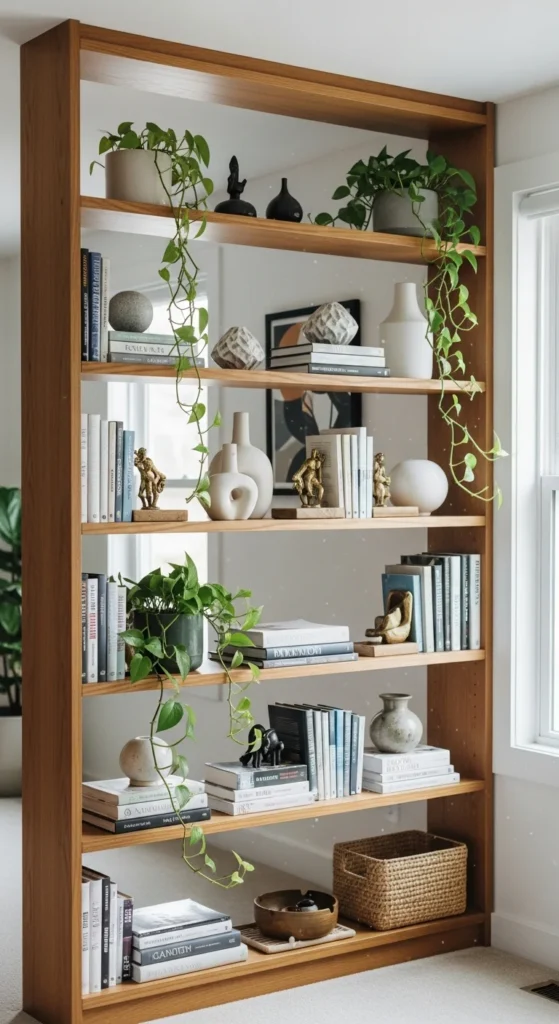
Styling Tip: Style your bookshelf with a mix of books, plants, decorative objects, and a few empty spaces. The “lived-in library” look is way more charming than a perfectly curated museum display.


Maximize Vertical Space with Wall-Mounted Elements
When floor space is tight due to awkward columns or too many doorways, go vertical. Wall-mounted shelves, floating cabinets, and hanging plants draw the eye upward and make your ceiling feel higher. This is especially effective in small awkward living rooms where every square inch counts.
For more ideas on making vertical space work harder, our living-room-accent-wall-ideas guide explores creative ways to transform empty walls into stunning focal points that complement your wall-mounted décor.
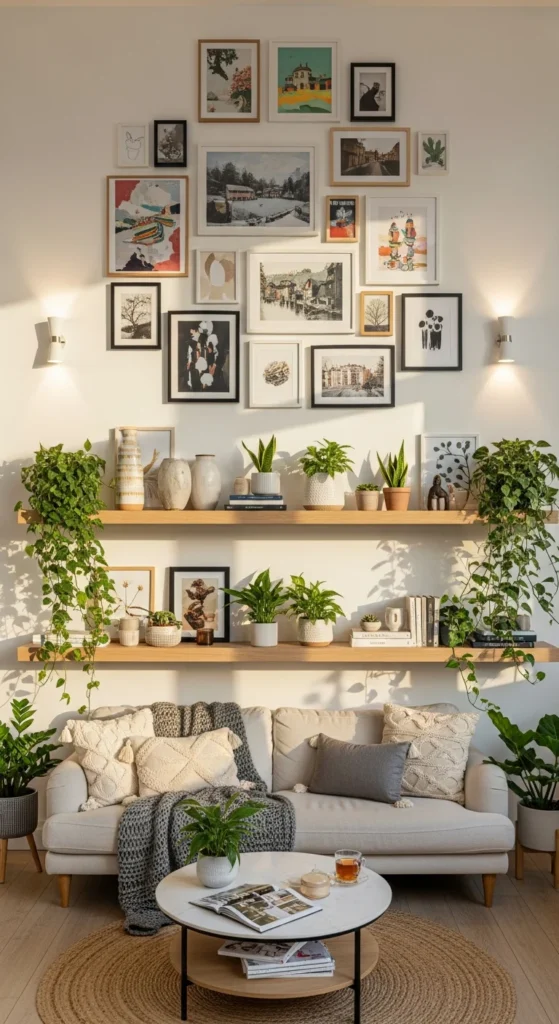
Styling Tip: Create a vertical gallery wall with frames in varying sizes, or install floating shelves in a staggered pattern for an organic, collected-over-time vibe.
For more ideas on making vertical space work harder, check out our post on living room accent wall ideas that complement wall-mounted décor beautifully.
Create a Focal Point with Bold Window Treatments
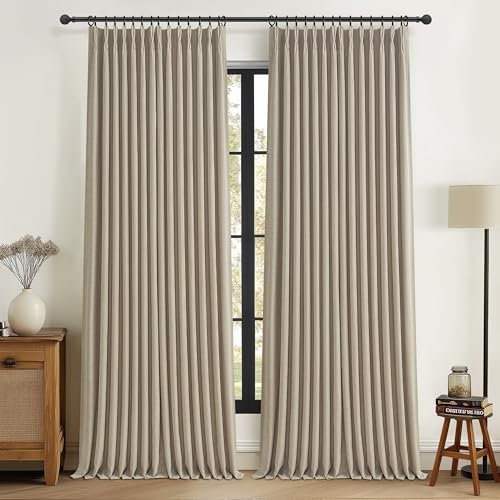
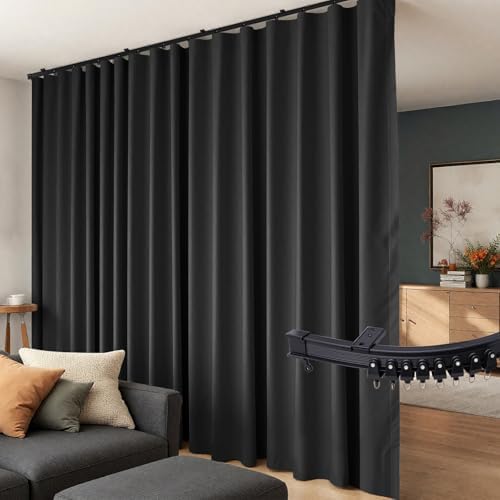
Got an off-center window that’s throwing off your entire layout? Make it a feature, not a flaw. Floor-to-ceiling curtains in a bold color or pattern draw attention upward and create the illusion of taller, more balanced walls. This works especially well in living rooms with fireplace layout challenges where the window competes for attention. Our guide to curtain-ideas-for-living-room curtain ideas for living room explores dozens of styles and hanging techniques that can transform awkward windows into stunning focal points.
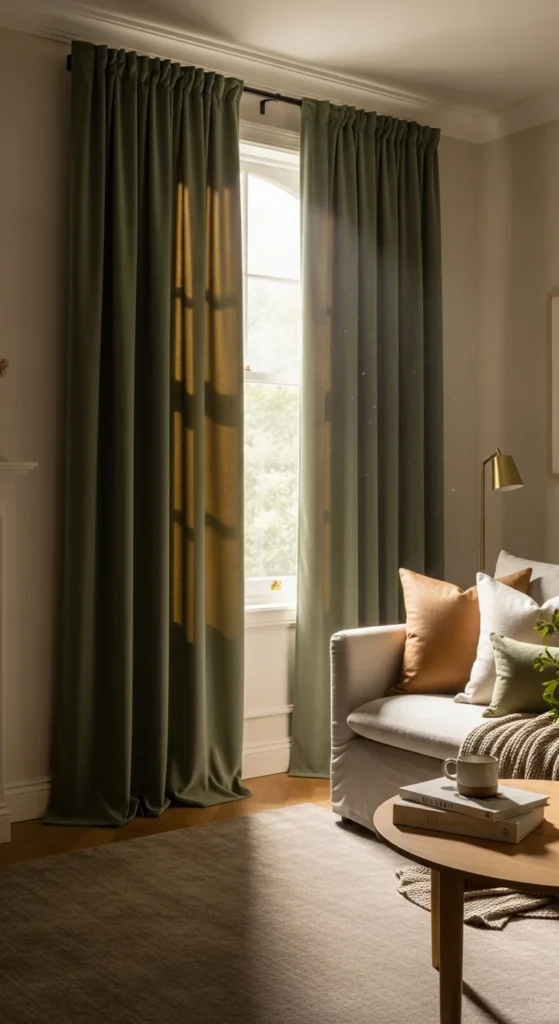
Styling Tip: Hang curtain rods as close to the ceiling as possible and let the drapes puddle slightly on the floor for that designer-approved, luxe look.
Our guide to curtain ideas for living room explores dozens of styles and hanging techniques that can transform awkward windows into stunning focal points.
Pro Tip: Velvet or linen curtains from West Elm or Target add instant sophistication while also helping with sound absorption and temperature control.

Use Mirrors to Expand and Balance
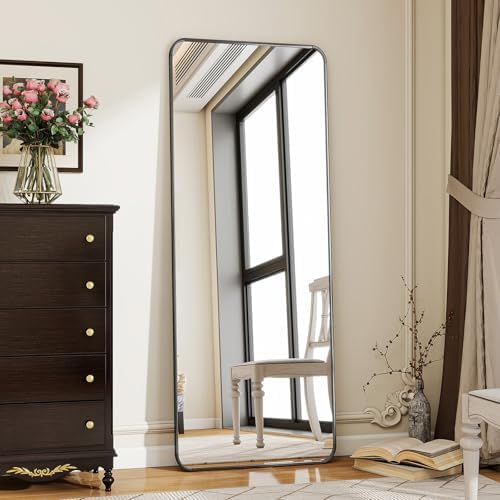
Strategic mirror placement can literally double your visual space and fix awkward proportions. Position a large mirror opposite a window to reflect natural light, or hang one on a narrow wall to create the illusion of depth. Mirrors are basically magic for tricky living room furniture placement.
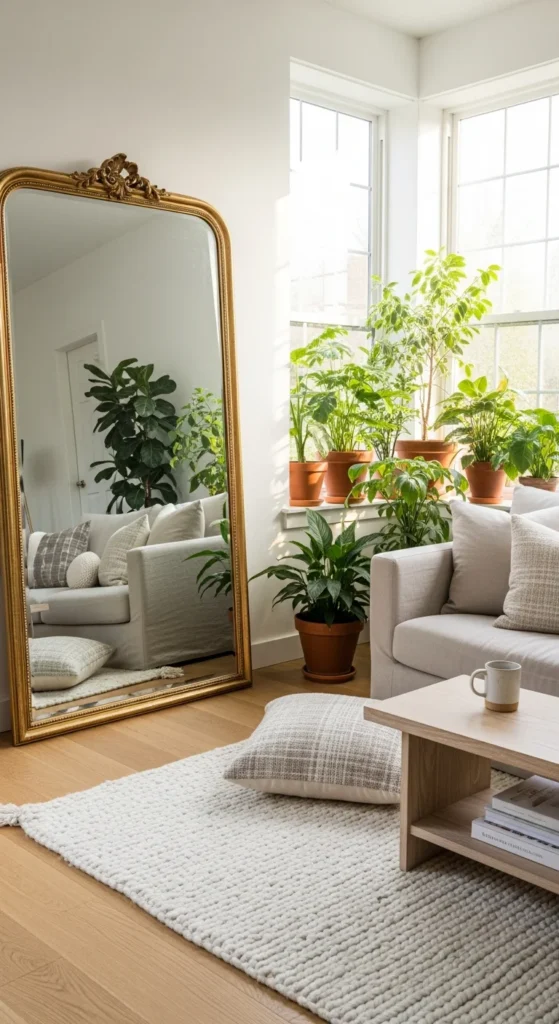
Styling Tip: Lean an oversized floor mirror against the wall instead of hanging it — it feels more casual and European, plus you can move it around until you find the perfect spot.


Embrace Asymmetrical Furniture Arrangement
Not every seating arrangement needs to be perfectly symmetrical. In fact, asymmetrical layouts often feel more dynamic and work better with awkward architectural features. Try pairing a sofa with two different accent chairs, or balance a heavy sectional with a lightweight side table and floor lamp on the opposite side.
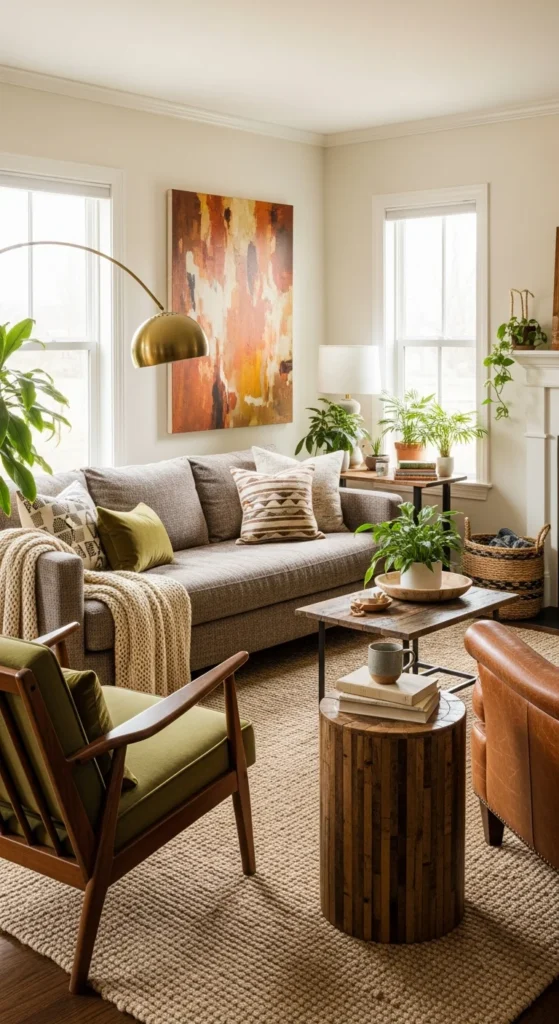
Styling Tip: Use the “visual weight” trick — dark, bulky furniture on one side can be balanced with taller, lighter pieces (like a plant stand or floor lamp) on the other.
Carve Out a Conversation Area
Even in the most awkward spaces, you can create an intimate conversation area by arranging seating in a circular or U-shape. Pull chairs and sofas closer together (aim for 8-10 feet between facing seats) to encourage interaction and make the space feel purposeful, not random.
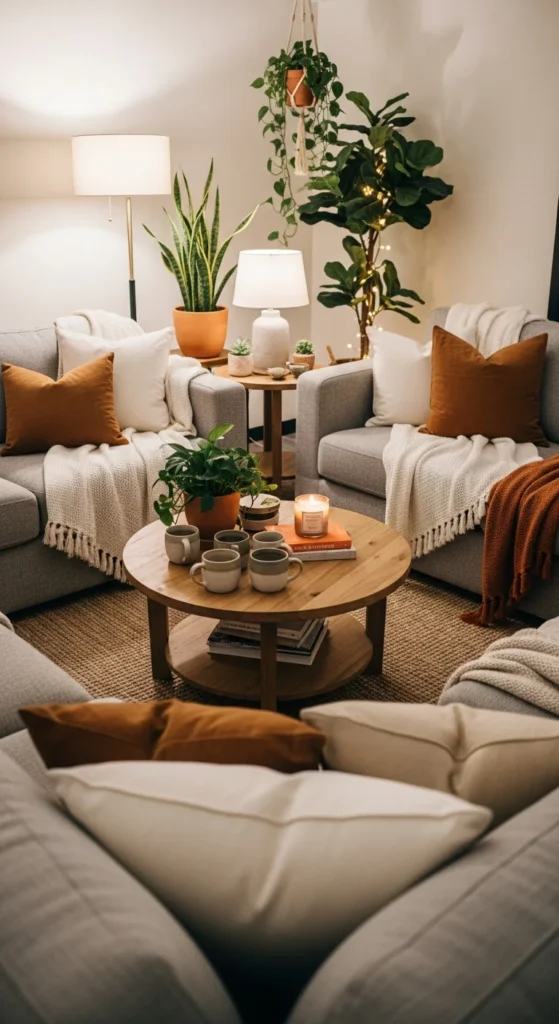
Styling Tip: Add a round coffee table instead of a rectangular one — it softens the space and makes movement around the furniture easier, especially in living rooms with awkward columns or tight corners.
Pro Tip: Nesting coffee tables or round ottoman trays (easily found on Amazon) offer flexibility when you need extra surface space for guests but don’t want permanent bulk.
Make Your Awkward Space Work for You
Here’s the truth: there’s no such thing as a “perfect” living room layout — just the one that works perfectly for you. Whether you’re dealing with odd-shaped spaces, multiple doorways, or furniture that refuses to cooperate, these awkward living room layout ideas prove that every challenge is just an opportunity for creative problem-solving.
Start with one or two changes this weekend and see how different your space feels. Sometimes all it takes is floating that sofa or adding a statement rug to completely transform the vibe. Your home deserves a little glow-up ✨, and honestly, so do you.
FAQs
How do I arrange furniture in an awkward living room?
Start by identifying your focal point (TV, fireplace, or window), then arrange seating to face it. Float furniture away from walls and use rugs to define zones for better flow.
What’s the best layout for a long narrow living room?
Create distinct zones using area rugs and furniture placement. Position your sofa perpendicular to the long walls rather than against them to break up the bowling alley effect.
Should my furniture always be against the wall?
Absolutely not! Floating furniture creates better conversation areas and traffic flow, especially in oddly-shaped or open concept living rooms.
How do I deal with an off-center fireplace or window?
Embrace asymmetry instead of fighting it. Balance the off-center element with artwork, shelving, or furniture on the opposite side, and focus on creating visual weight rather than perfect symmetry.